
Creativity Meets Functionality:The Ultimate Guide to a Career in Interior Designing
Creativity Meets Functionality:The Ultimate Guide to a Career in Interior Designing

Shraddha Mirajkar
Design Lead
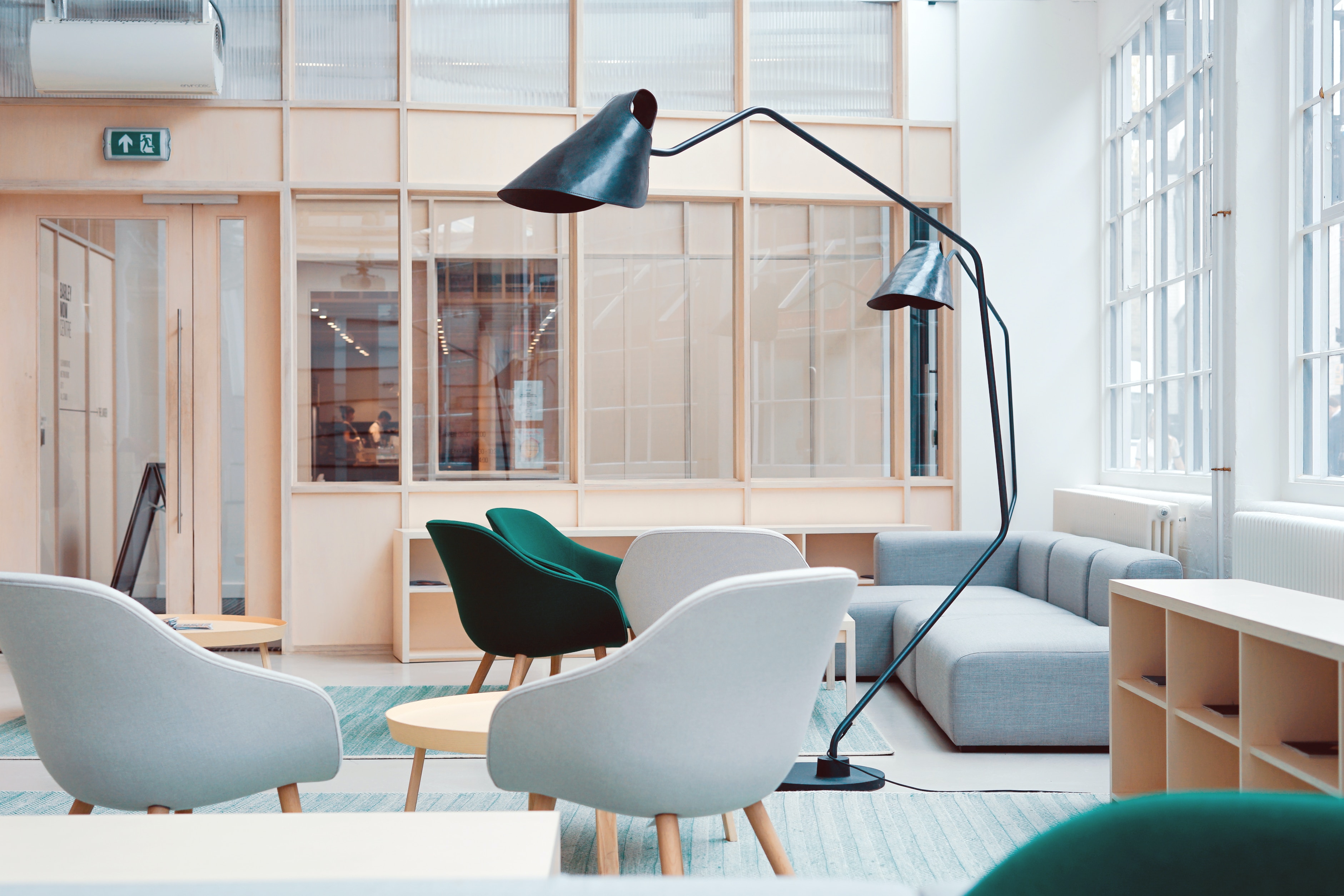
Creativity Meets Functionality: The Ultimate Guide to a Career in Interior Designing
If you enjoy design and have a keen sense of aesthetics, a career in interior design could be ideal for you. Interior design is a highly creative and dynamic subject that centers around creating useful and visually appealing spaces. Interior designers are in high demand in India, from individual residences to places of business and more. Increasingly, individuals aspire for a home that is aesthetically evolves. As the need for décor, be it home or otherwise, grows, interior designers have become an essential.
What is interior design?
Interior design is the creation of a space that conveys an individual's or group's aesthetic views and personality. It is regarded as a creative profession since it blends the use of art and science to create spaces. It is inventive, creative, and conceptual. It necessitates innovative problem-solving abilities, a keen artistic eye as well as the ability to be an entrepreneur.
What is the job of an interior designer?
An interior designer may be involved in the creation of the blueprint for the building or simply after the construction, depending on the purpose for which he or she is recruited. For the former, interior designers are needed to have a basic understanding of architecture too.
The designer examines the purpose of the area or room, as well as what furnishings are necessary and what are not. They plan the positioning of windows, doors, and built-in furniture such as bookcases if they are involved from the beginning. They examine things like natural light and fresh air in the room, choose color palettes and so on. Some designers specialize in specific rooms (such as bathrooms/kitchens) or styles (such as feng shui, eco-friendly designs, and so on). All of the following is done keeping the customer's preferences and budget in mind.
It is vital for a designer to bring originality and ingenuity in style while designing a space. The goal is to create a perfect and one-of-a-kind house for the buyer.
Roles and Responsibilities of a Interior Designer
- Knowing your clientele so you can transform their vision or preferences into real designs
determining precisely what your client wants and needs from a certain place.
- Establishing a timeframe and an expected cost for each project you work on, especially when dealing with many projects.
- Everything for a project, from the electrical system to the partition arrangement, is sketched, drawn, and planned out.
- Using 3D or design tools to translate what you envisage into plans and blueprints that you can show clients and those in charge of last-mile implementation.
- Understanding the possibilities and constraints of both places and the teams with which you are collaborating.
- Providing regular project updates to clients, taking their feedback and altering your designs accordingly.
- Being aware of and arranging for any budget limits that clients may have.
Interior Design Specializations
Commercial Interior Design
While commercial designers have been around for a while, focusing on public places, malls, entertainment hubs, stores, theaters, and so on, never before has so much emphasis been placed on consumer happiness and user experience.
Today, brand identification and brand doctrine are at the heart of retail design. Interior designers must encourage customer contact by creating designs that not only contribute to sales but also to the development of a lifelong, comprehensive consumer-supplier connection.
The collaboration of millennials and Gen-Z with retail locations is recognised to be mostly focused on the pleasure quotient gained from that area. They want to engage with the brand as a whole, not just make a purchase. Nuanced components of retail interior design, including branding, signage, way-finding, display design, and so on, are key to this kind of design.
Sustainable Interior Design
Environmental awareness is essential these days, and it's no wonder that it's influencing interior design trends as well. Such environmentally responsible interior designers have implemented environmentally responsible solutions and interior design work in their businesses. Low carbon footprint designs and zero environmental impact concepts are given attention as these designers create efficient yet low maintenance products at competitive prices.
These designers choose non-toxic, eco-friendly building materials and sustainable options. It should be highlighted that involving a designer from the beginning is critical for maximum sustainability.
Installing solar panels instead of traditional power sources, establishing provisions for biogas composting, and rainwater gathering, along with proper insulation and indigenous construction materials, for example, can help save resources. Eco-friendly materials such as cork and bamboo sheets are used instead of traditional flooring materials.
Restoration Interior Design
Interior designers in restoration projects make deliberate selections to identify and re-form unique characteristics and iconic pieces on the verge of disintegration. Such restoration efforts aim not only to preserve culturally significant structures and spaces for indigenous populations, but also to offer them with potential economic prospects.
These designers play a significant role in combining these historic structures with current requirements. They must not only ensure that the materials used to reconstruct the structure do not harm the current structure, but they must also apply technologically advanced methods of restoration that are less invasive.
While refurbishing such priceless, vintage structures, interiors, furniture, and artworks, these designers must consult and collaborate with highly experienced architectural firms, high-end structural engineers, expert craftsmen and artists, eminent art curators, and competent legal consultants.
Residential Interior Design
Residential interior designers specialize in creating functional and aesthetically pleasing living spaces. They work closely with clients to understand their needs, preferences, and lifestyles, translating them into beautifully designed homes. From selecting color palettes and furniture to choosing lighting fixtures and accessories, residential interior designers have the power to transform ordinary spaces into extraordinary sanctuaries.
Hospitality Interior Design
Hospitality designers specialize in crafting immersive experiences for hotels, resorts, restaurants, and entertainment venues. They strive to create unique and memorable spaces that captivate guests, considering factors such as ambiance, comfort, and functionality. Hospitality designers must have a deep understanding of trends, materials, and technologies to create inviting and visually stunning environments that leave a lasting impression.
Production Set Interior Design
A production interior designer, set designer, or stage designer has an exciting and dramatic job! These are frequently ardent creatives with a flare for visual arts and theater who are willing to put in the exhaustingly long hours.
A production designer is responsible for creating various sets of designs, props, lighting, graphics, and, in certain cases, costumes for film, television, and theatrical performances.
The construction of the set begins once the blueprints have been finalized and appropriate materials have been found. Most production designers have extensive experience or were entry-level employees at a production company.
Healthcare Interior Design
Healthcare interior designers specialize in creating functional and safe spaces for hospitals, clinics, and other healthcare facilities. They combine their expertise in design principles and healthcare regulations to optimize the patient experience and support the work of healthcare professionals.
From selecting durable and hygienic materials to ensuring efficient layouts and comfortable waiting areas, healthcare interior designers play a crucial role in enhancing the healing environment. Their focus on creating soothing and accessible spaces contributes to the overall well-being of patients and staff, making a positive impact on healthcare outcomes.
How To Pursue a Career in Interior Design
To become an interior designer in India, normally, the following steps must be taken:
Obtain a Bachelor's Degree: Undergraduate interior design courses are available at several Indian institutions and colleges. The National Institute of Design (NID), the National Institute of Fashion Technology (NIFT), Sir JJ School of Art, and Pearl Academy are some notable institutes that provide interior design courses.
Gain job Experience: After earning a degree, it is critical to gain job experience in order to learn practical skills, construct a portfolio, and make industry connections. Many interior design firms hire recent graduates for internships or entry-level roles.
Create a Portfolio: A portfolio is a compilation of a designer's greatest work that demonstrates their abilities, originality, and style. Interior designers must develop a great portfolio that represents their expertise and personal flair.
Consider Certification: While certification is not required to work as an interior designer in India, it can help to boost the designer's credibility and establish their skill. Interior designers can obtain accreditation from the Indian Institute of Interior Designers (IIID) and the Council of Architecture (COA).
Keep Up to Date: Interior design is a dynamic area, and it is critical to stay current on trends, technology, and materials. To keep current and expand their skills, interior designers must attend workshops, seminars, and trade events.
Getting a Job
Interior design is a developing industry in India, with several career prospects for trained and skilled interior designers. Here are some of the job prospects in India for interior designers:
Interior Design Firms: There are several interior design firms in India that hire trained and competent interior designers. These companies work on a variety of projects, including residential, commercial, and institutional structures.
Architecture Firms: Interior designers can also collaborate with architecture firms to create functional and visually beautiful rooms.
Real Estate Companies: In order to entice consumers, real estate companies in India frequently use interior designers to design model apartments and showcase homes.
Furniture and Home Decor Companies: Interior designers are employed by furniture and home decor companies in India to create appealing and practical product displays, design showrooms, and develop product lines.
Self-Employment: Many Indian interior designers operate as independent consultants, providing interior design services to individuals and businesses.
Interior designers are frequently hired by the hospitality business, which includes hotels, resorts, and restaurants, to create welcoming and practical rooms for their customers.
Event Management businesses: Interior designers are hired by event management businesses in India to design and decorate event rooms for weddings, corporate events, and other social gatherings.
To pursue a career in interior design, you must first and foremost have a creative imagination. Interior design is a highly creative profession that requires both original creativity and practical effort. It also requests that you develop your goodwill with customers by giving them what they want. As a result, it is a fantastic vacation for people who are creative and accommodating. This profession allows you to teach, practice in a firm, or work for yourself. It essentially depends on what you want to do. Happy designing!
Ready to automate your interior design & manufacturing?
See how Prolance cuts project estimation time to minutes and generates zero-error CNC machine files directly from SketchUp.